



Twenty years ago, some of the most important evidence at a fire scene was lying in the debris. Increasingly, it may be sitting on a server.
A building automation system may know when equipment began operating abnormally. An electrical monitoring system may have captured a fault. A battery management system may contain information about conditions before an event. An alarm panel may help establish a sequence of events. Industrial equipment may have recorded operating conditions immediately before the loss.
“Before evidence can be preserved, someone has to recognize that it exists.”
The challenge is that much of this evidence doesn’t look like evidence. And unlike a physical component that remains at the scene, digital information may be overwritten, remotely stored, lost during cleanup, become inaccessible when equipment is removed, or simply never be identified.
That raises an increasingly important question for investigators, engineers, adjusters, attorneys, manufacturers, and risk professionals: Are we preserving all of the evidence, or only the evidence we can see?
The Impact of Smart Homes on the Fire Scene
The fundamentals of fire investigation have not changed. We identify, document, preserve, collect, and analyze evidence. We develop hypotheses and test them against the available facts. What has changed is the environment in which we do that work.
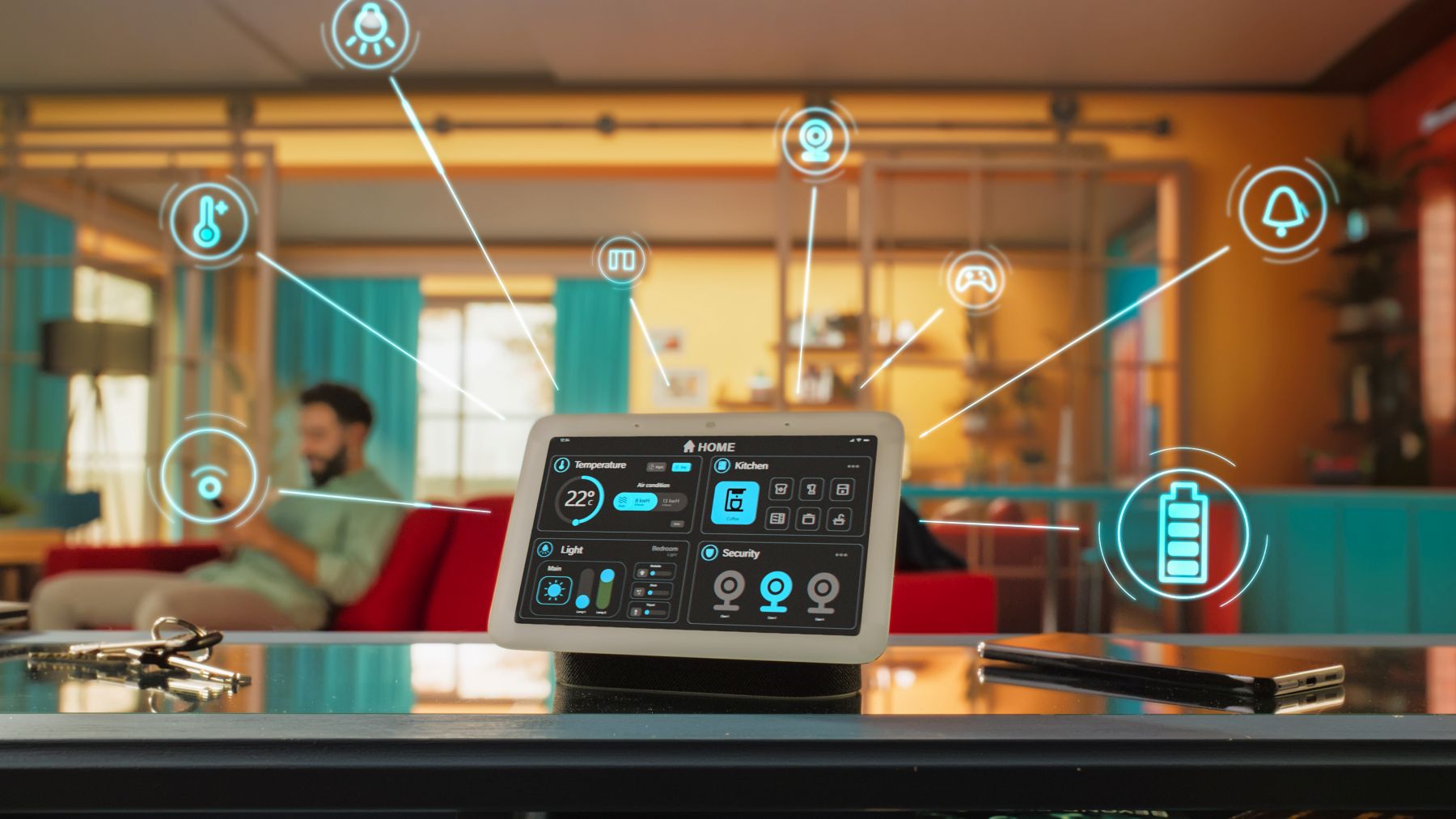
Modern buildings are increasingly interconnected. HVAC equipment communicates with building automation systems. Industrial machinery is controlled through programmable logic controllers. Solar installations generate performance and fault information. Energy storage systems incorporate battery management systems. Electric vehicle chargers create electronic records. Security, access-control, and fire alarm systems continuously capture information.
The physical building and its digital systems are becoming increasingly intertwined. That means a modern fire can effectively leave behind two scenes.
There is the physical scene, where investigators examine fire patterns, electrical components, appliances, machinery, structural systems, debris, and potential ignition sources. And increasingly there is a digital scene, consisting of information generated by systems operating before, during, and sometimes after the event.
We need to recognize both.
The Most Expensive Evidence May Be the Evidence Nobody Recognized
Consider a significant manufacturing fire.
Investigators arrive to find extensive damage around a piece of production equipment. Attention understandably focuses on the equipment and surrounding physical evidence. But elsewhere, a PLC may contain fault information:
- An electrical monitoring system may have recorded abnormal conditions.
- A building management system may establish when equipment changed operating states.
- A camera may show the earliest visible smoke or fire condition.
- A fire alarm system may provide a sequence of detector activations.
- An energy storage system may contain battery-management information.
None of these sources, standing alone, necessarily establishes origin or cause. But each can provide information that may be evaluated against the physical evidence and competing hypotheses. Data should not replace the scientific method. It should strengthen our ability to apply it.
That distinction matters. The most valuable evidence at a complex fire scene may not be the most visibly damaged component. It may be information nobody thought to preserve.
Recognition Comes Before Preservation
We talk frequently about evidence preservation in fire investigation. But before evidence can be preserved, someone has to recognize that it exists. That may become one of the more important challenges facing modern investigations.
Potential sources now extend well beyond traditional physical evidence:
- Fire alarm and detection systems
- Building automation and energy-management systems
- Security cameras and access-control systems
- Electrical monitoring and protective devices
- Industrial controls, PLCs, and SCADA systems
- Equipment diagnostic systems
- Battery management systems
- Solar photovoltaic monitoring and inverter systems
- EV charging equipment
- Generators and automatic transfer switches
- Vehicle and fleet telematics
- Refrigeration and HVAC controls
- Cloud-connected equipment and IoT devices
Not every system will contain relevant information in every investigation. The point is recognizing which systems might contain relevant information early enough to evaluate whether preservation is warranted.
Once that opportunity is gone, we may not get it back.
Stephen Buck
Vice President, Managing Fire Principal